3D Frame Rose: A Versatile Digital Cut File for Creative Projects
The 3D Frame Rose is a digital design file that brings elegance and dimension to your crafting, printing, or laser-cutting projects. Perfectly sized at 10" x 10", this artwork is created with precision and clarity, offering high quality at 300 dpi resolution. It’s ideal for professionals and hobbyists alike who want to incorporate detailed floral elements into their work without the hassle of designing from scratch.
Understanding the Design Package
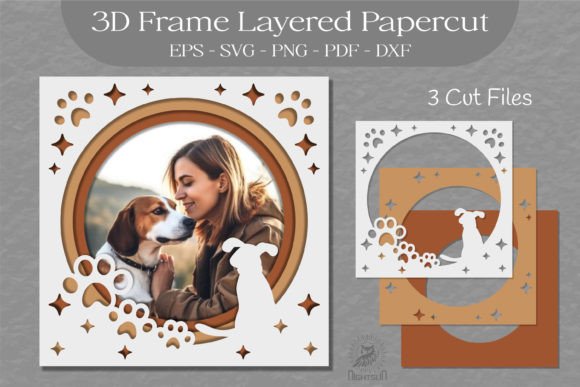
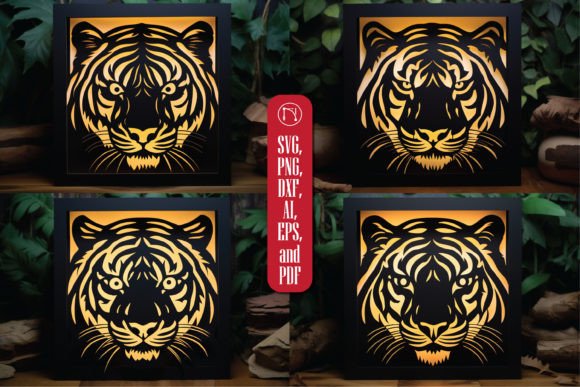
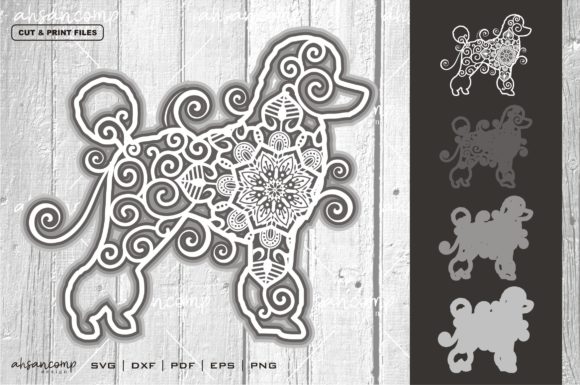
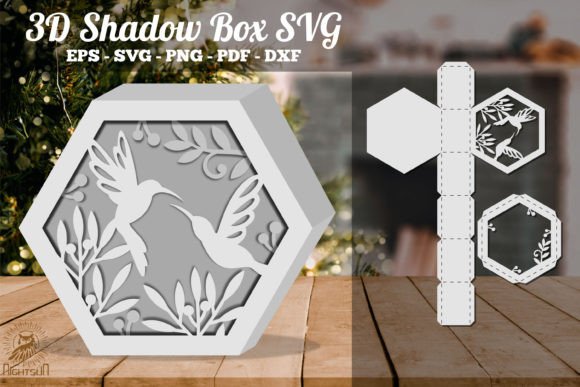
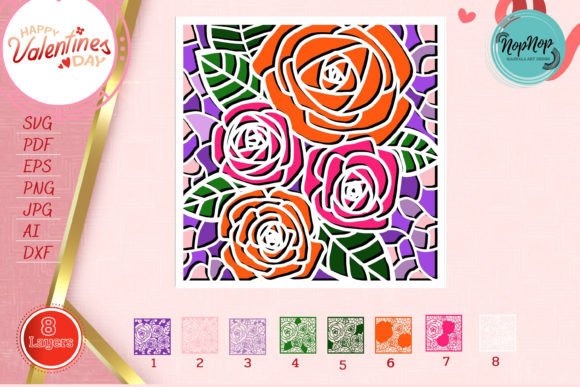
When you purchase the 3D Frame Rose, you receive a comprehensive set of eight layered designs in a single ZIP file. This package includes multiple file formats such as AI (Adobe Illustrator), ESP (Make the Cut), CDR (Corel Draw), SVG (for Cricut Design Space, Silhouette Designer Edition, and ScanNCut), DXF (Glowforge compatibility), along with JPEG, PNG, and PDF files. The inclusion of color PNG, JPEG, and PDF example files gives users a clear visual reference before starting their project.
Applications Across Tools and Platforms
This digital cut file seamlessly integrates with popular design and cutting software. Whether you're using Adobe Illustrator for intricate customization, Corel Draw for vector-based editing, or Cricut Design Space for home crafting, the 3D Frame Rose ensures compatibility across platforms. The SVG format supports precise cutting on devices like Silhouette and ScanNCut, while the DXF file is optimized for use with Glowforge laser cutters.
For those who prefer not to use specialized tools, the JPEG and PNG files are excellent for print-on-demand services or embedding directly into presentations, websites, or marketing materials. The PDF format is also useful for direct printing or sharing with clients or collaborators who may not have access to design software.
Incorporating the 3D Frame Rose Into Your Workflow
The beauty of the 3D Frame Rose lies in its adaptability. You can use it at various stages of your creative process:
- Pre-Design Phase: Use the example files (PNG, JPEG, PDF) to visualize how the rose will fit into your overall layout or product design.
- During Production: Import the appropriate file format into your preferred software to adjust colors, scale, or layering as needed before sending it to a printer or cutter.
- Post-Creation: Apply the final output as part of packaging, signage, branding elements, or even educational materials where a professional look is essential.
Workflow Integration Examples
Here are some practical scenarios where the 3D Frame Rose can be effectively used:
- Product Packaging: For small business owners looking to elevate their product boxes or gift tags, the 3D Frame Rose adds a sophisticated touch. Its layered structure allows for depth when printed or cut, making it ideal for embossed or engraved packaging.
- Marketing Collateral: Marketers and entrepreneurs can integrate this design into brochures, social media templates, or promotional posters. The high-resolution JPEG and PNG files ensure crisp visuals across both digital and print mediums.
- Interior Decor: Educators, bloggers, or hobbyists can use the DXF and SVG files to create wall art, wooden frames, or decorative panels. The 10"x10" size works well for framed prints or accent pieces.
- Custom Invitations and Cards: With tools like Cricut or Silhouette, you can cut the rose from colored cardstock or vellum and assemble it as a standalone embellishment or add it to wedding invitations, birthday cards, or thank-you notes.
Choosing the Right Medium for Cutting
One of the standout features of the 3D Frame Rose is its flexibility regarding material. While the background seen in listing images isn’t included, you can choose from a variety of papers or materials to suit your aesthetic and functional needs:
- Colored Paper: Ideal for creating vibrant, eye-catching designs. Choose pastel shades for a soft look or bold colors for a dramatic effect.
- Vellum or Translucent Paper: Great for overlay effects or adding a subtle glow under lighting.
- Cardstock: Offers durability and stiffness, perfect for dimensional crafts or stand-alone art pieces.
- Wood or Acrylic Sheets: For laser-cut applications, these materials allow for long-lasting and elegant finishes.
Experimenting with different textures and colors enhances the artistic value of the design, enabling you to match it precisely to your project’s theme or brand identity.
Preparing for Use
Before implementing the 3D Frame Rose in your workflow, consider the following preparation steps to ensure smooth execution:
- Software Compatibility: Confirm that your design tool supports the file format you plan to use. Most modern programs do, but it's always wise to double-check.
- Layer Organization: Since the file contains eight layers, take time to understand each one. This helps in customizing the design without compromising its structural integrity.
- Material Selection: Decide whether you’ll be working with paper, wood, acrylic, or another medium. Each material may require specific settings on your laser cutter or printer.
- Color Matching: If using the PNG or JPEG versions, make sure to calibrate your screen and printer for accurate color reproduction.
Practical Tips for Implementation
Here are a few tips to help you get the most out of your 3D Frame Rose digital cut file:
- Always open the AI, SVG, or DXF files first in your design software to check for any potential formatting issues.
- Use the PDF example to preview how the final product might look before proceeding with actual cuts or prints.
- If you're new to working with layered designs, start by adjusting just one layer at a time to avoid confusion.
- Keep a backup of the original ZIP file so you can return to the base design if needed.
- Test the design on a smaller scale or sample material before committing to a full-sized production run.
Efficiency and Consistency in Repetitive Projects
For educators or freelancers producing multiple items—such as classroom decorations, greeting cards, or branded merchandise—the 3D Frame Rose offers a consistent, repeatable design element. Save time by reusing the same file across projects while customizing colors or backgrounds to maintain a cohesive yet varied appearance.
Long-Term Use and Quality Control
To maximize the longevity and usability of the 3D Frame Rose, follow best practices for storage and handling:
- Store the digital file securely and back it up regularly to avoid data loss.
- Keep physical copies (if printed) in a dry, dust-free environment to preserve their condition.
- Document any customizations made during the design process so they can be replicated or adjusted later.
- Monitor the performance of the design over time, especially when used in commercial or recurring contexts, to ensure continued satisfaction with results.
These habits not only protect your investment but also streamline future use, allowing you to focus more on creativity and less on troubleshooting.
Enhancing Creativity Through Layered Designs
The layered nature of the 3D Frame Rose opens the door to advanced customization. By manipulating individual layers, you can:
- Adjust the thickness or spacing between petals for a unique 3D effect.
- Add text or logos within the frame to personalize the design for specific events or brands.
- Create variations for different themes or seasons by altering colors or incorporating additional graphics.
This level of control makes the design suitable for everything from boutique stationery to large-scale interior installations.
Case Study: Wedding Stationery Enhancement
A local wedding planner wanted to offer personalized invitation sets to her clients. She purchased the 3D Frame Rose digital cut file and imported it into Adobe Illustrator. There, she customized the layers to match the wedding’s color scheme and added client names and dates. Using a Cricut machine, she cut the rose from ivory-colored cardstock and assembled it onto each invitation. The result was a luxurious, handcrafted look that elevated the entire stationery suite without requiring extensive design experience.
Conclusion
The 3D Frame Rose is more than just a decorative element—it's a foundational asset in many creative workflows. Whether you're enhancing product packaging, personalizing event materials, or adding an artistic flourish to your latest project, this design provides the flexibility, quality, and compatibility needed to bring your vision to life. By understanding its capabilities and integrating it thoughtfully into your process, you can unlock new levels of efficiency and aesthetic appeal in your work.